Our mission and Vision
To prevent and effectively treat Alzheimer’s disease AND RELATED DEMENTIAS
Our mission is to develop effective treatments and a path to prevention for Alzheimer’s disease and related disorders. We advance the science, test innovative methods and recruitment strategies, and conduct trials in the US and around the world.
Alzheimer’s disease is preventable. We know what starts the disease, and we have the tools to fix it.
People
Leadership
Paul Aisen
Paul Aisen,
Epstein Alzheimer’s Disease Director’s Chair, Professor of Neurology, Founding Director of Epstein Family Alzheimer’s Therapeutic Research Institute
Research Areas
- Alzheimer’s disease (AD) clinical trial design
- Remote assessment of AD risk
- Primary prevention of AD
Michael Rafii
Michael Rafii,
Professor of Neurology, Medical Director of Epstein Family Alzheimer’s Therapeutic Research Institute
Research Areas
- Clinical Trials for Alzheimer’s disease in Down syndrome
- Biomarkers of Alzheimer’s disease in Down syndrome
- AD Clinical Trial Design and Conduct
Robert Rissman
Robert Rissman,
Professor of Physiology and Neuroscience and the W.M. Keck Endowed Professor in Medicine, Director Neuroscience Translational Research Division and Biomarker Laboratory and Biorepository Director, Epstein Family Alzheimer’s Therapeutic Research Institute
Research Areas
- Preclinical studies of Alzheimer’s Disease and Related Dementias (ADRD)
- Experimental neuropathology of ADRD
- Novel biomarker discovery
Rema Raman
Rema Raman,
Professor of Neurology, Director, Section of Biostatistics & Section of Participant Recruitment & Retention Epstein Family Alzheimer’s Therapeutic Research Institute
Research Areas
- Biostatistics
- Clinical trial design, conduct and analysis
- Participant recruitment and retention science
Gustavo Jimenez-Maggiora
Gustavo Jimenez-Maggiora,
Assistant Professor of Research Neurology, Director of Informatics Section
Research Areas
- Clinical Research Informatics
- Remote Data Capture Systems
- Natural Language Processing
Jeremy Pizzola
Jeremy Pizzola,
Director, Administration
Research Areas
Personal Stories
Why I Pursued Alzheimer’s Research
Paul Aisen
Michael Rafii
Robert Rissman
Paul Aisen
Paul Aisen,
Epstein Alzheimer’s Disease Director’s Chair, Professor of Neurology, Founding Director of Epstein Family Alzheimer’s Therapeutic Research Institute
Research Areas
- Alzheimer’s disease (AD) clinical trial design
- Remote assessment of AD risk
- Primary prevention of AD
Michael Rafii
Michael Rafii,
Professor of Neurology, Medical Director of Epstein Family Alzheimer’s Therapeutic Research Institute
Research Areas
- Clinical Trials for Alzheimer’s disease in Down syndrome
- Biomarkers of Alzheimer’s disease in Down syndrome
- AD Clinical Trial Design and Conduct
Robert Rissman
Robert Rissman,
Professor of Physiology and Neuroscience and the W.M. Keck Endowed Professor in Medicine, Director Neuroscience Translational Research Division and Biomarker Laboratory and Biorepository Director, Epstein Family Alzheimer’s Therapeutic Research Institute
Research Areas
- Preclinical studies of Alzheimer’s Disease and Related Dementias (ADRD)
- Experimental neuropathology of ADRD
- Novel biomarker discovery
Partnerships

Alzheimer's Clinical Trials Consortium
Accelerates the development of effective interventions for Alzheimer’s disease and related disorders by providing optimal infrastructure, utilizes centralized resources and shared expertise,

Alzheimer's Clinical Trials Consortium
ACTC-DS infrastructure includes expertise in study design and conduct, and full clinical trial management capability through our coordinating center and network of trial sites.
National Institute on Aging at NIH
One of the 27 Institutes and Centers of NIH, leads a broad scientific effort to understand the nature of aging and to extend the healthy, active years of life. NIA is the primary Federal agency supporting and conducting Alzheimer’s disease research.

IMPACT-AD
IMPACT-AD is an Alzheimer’s Disease and related disorders (ADRD) course that aims to educate and promote diversity among research professionals and future principal investigators in the field of ADRD research.
1906
Today
1900-1970
First Discovery
1906
Dr. Alois Alzheimer first diagnosis
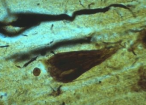
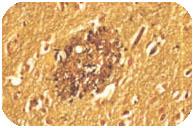
Alzheimer’s Disease got the name from Dr. Alois Alzheimer. He first noticed changes in the brain tissue of a woman who had died of an unusual mental illness. Her symptoms included memory loss, language problems, and unpredictable behavior. After she died, he examined her brain and found many abnormal clumps (now called amyloid plaques) and tangled bundles of fibers (now called neurofibrillary, or tau, tangles).
1906-1970
AD Assumed as Untreatable Degenerative Disease
1974-1986
Emerging Research
1974
Founding of National Institute on Aging (NIA)
1976
“The Prevalance and Malignancy of Alzheimer’s Disease” In Journal Archives of Neurology
Late 1970's
Cholinergic Hypothesis Suggests Treatment Possibilities
1984
Beta-Amyloid Identified as Prime Suspect in Triggering Nerve Cell Damage
1986
Tau Protein Identified a Key component of Tangles
1987-1994
Steps Toward Treatment
1987
First Encouraging Alzheimer’s Drug Trial
1991
Alzheimer’s Disease Cooperative Study (ADCS) Launched