Neuroscience Translational Research Division
The Rissman Lab
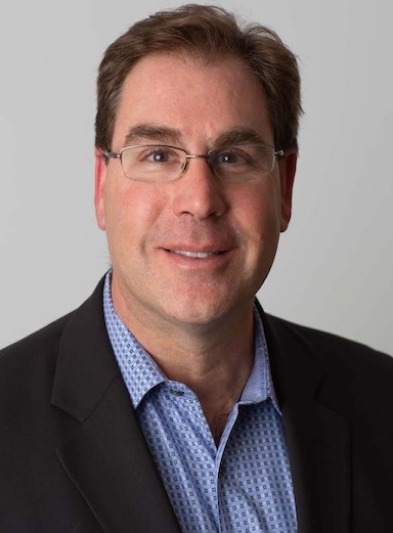
Robert Rissman, PhD
Dr. Rissman is Professor Physiology and Neuroscience and the W.M. Keck Endowed Chair in Medicine.
The ATRI facility is comprised by a wet laboratory and a large biorepository of -80 freezers to store specimens from clinical trials and longitudinal cohort studies.
Using single analyte and multiplex bioassays, the goal of the lab is to identify biomarkers for preclinical AD and better understand how treatment parameters may impact these biomarkers.
Research
A major focus of his lab in AD biomarkers is on the utility and mechanistic underpinnings of neuronal exosomes and his group has published manuscripts demonstrating the ability of tau and abeta in neuronal exosomes to predict conversion from MCI to AD.
The lab also investigates the contribution of stress and changes in stress signaling intermediates in Alzheimer’s disease neuropathology. Using transgenic mice and in vivo pharmacology, experiments are focused on identifying the role of corticotropin-releasing factor (CRF) receptors in beta-amyloid deposition, tau phosphorylation and behavioral and synaptic changes.
Contact
Neuroscience Translational Research Division (NTRD)
Epstein Family Alzheimer’s Therapeutic Research Institute (ATRI)
Keck School of Medicine at USC
9800 Mesa Rim Rd, San Diego, CA 92121
If you’re interested in learning more about opportunities at NTRD, explore our current openings and see how you can contribute to our innovative research.
Neuroscience Translational Research Division
9860-80 Mesa Rim Road,
San Diego, CA 92121